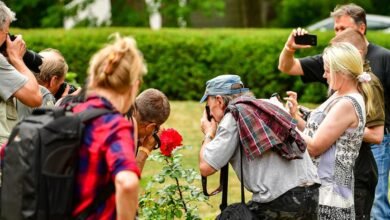
Dihahdek Pemdullah offers a lens on how everyday ritual and memory sustain belonging amid change. In markets, kitchens, and prayer spaces, small acts accumulate into a durable social map. The community’s narratives shape ordinary decisions and policy-inspired responses, revealing a logic of ethical coexistence. Tradition and adaptation mingle without fanfare, leaving questions about future identities open. The ethnography invites careful attention to how quiet, persistent acts layer into collective continuity.
What Dihahdek Pemdullah Teaches About Local Identity
In examining how Dihahdek Pemdullah navigates local life, the study reveals a nuanced portrait of community belonging that emerges from everyday practices and shared spaces. The discourse foregrounds Tradition identity as a living thread, not fixed essence, and tracks Belonging narratives as they unfold in markets, prayer corners, and communal kitchens, where memory informs present choices and collective direction.
How Community Narratives Shape Policy and Everyday Life
The previous exploration of how Dihahdek Pemdullah inhabits local spaces reveals a pattern: community narratives are not mere retellings but living coordinates that guide daily decisions.
In ethnographic terms, these stories translate into traditional memory influencing urban governance, shaping local identity and organizing everyday rituals.
Researchers observe how collective memory informs policy, while residents negotiate meaning through reflective practice and self-determined freedom.
Balancing Tradition and Change in Belonging
Balancing Tradition and Change in Belonging unfolds as a practical negotiation rather than a static stance, where residents continuously weigh inherited norms against emergent possibilities.
In field notes, observers describe how traditional identity surfaces in daily rituals while new practices reshape community belonging.
The ethnographic voice probes tension, seeking meaning beyond polarization, revealing belonging as negotiated, fluid, and ethically attentive to diverse futures.
Resilience Through Small, Persistent Acts
Small, persistent acts accumulate into a counterweight against fatigue and upheaval within the community. Observers note how everyday resilience rituals and persistent habits shape collective endurance, not as grand gestures but as quiet infrastructure. The ethnographic lens reveals rhythms—shared chores, mutual aid, ritual remembrance—that cultivate freedom through disciplined humility, sustaining dialogue and autonomy amid shifting pressures.
Frequently Asked Questions
What Is the Origin of the Name Dihahdek Pemdullah?
The origin of the name dihahdek pemdullah emerges from local linguistic roots, reflecting cultural naming practices. It is interpreted as a reflection of lineage and meaning, illustrating how personal identities arise through communal memory, ritual, and freedom-centered ethnographic reflection.
How Is Dihahdek Pemdullah Connected to Neighboring Cultures?
Dihahdek pemdullah is woven through neighboring cultures celebrations, its cuisine mirroring exchange and adaptation; exaggerated rhythms reveal a living ethnography, where dishes speak across borders, and freedom-loving audiences hear stories of shared flavors shaping regional identity.
What Languages Are Commonly Used in Dihahdek Pemdullah Communities?
Dihahdek Pemdullah communities commonly use diverse languages and scripts, reflecting layered histories. In everyday communication cores, speakers blend local tongues with regional languages, while script choices range from indigenous scripts to widely adopted alphabets, illustrating adaptive, freedom-enhancing ethnolinguistic nuance.
Are There Notable Historical Figures Associated With Dihahdek Pemdullah?
Historical figures emerge in Dihahdek Pemdullah as subtle conduits of cultural exchanges, shaping narratives with quiet influence; their legacies reflect interwoven communities. They are not heroes, but mirrors, guiding observers toward a broader, freer ethnographic understanding.
How Can Readers Engage Respectfully With Local Traditions?
Readers engage respectfully with local traditions through respectful listening and ethical storytelling, the observer noting boundaries, listening for nuance, and reflecting on power dynamics, inviting community voices, and presenting interpretations that honor freedom while acknowledging shared histories.
Conclusion
Dihahdek Pemdullah emerges not as a static locale but as a living archive of daily practice, where memory threads through stalls, kitchens, and prayer spaces. The community remains legible in its quiet negotiations and memory-informed choices, a fragile atlas of belonging continually redrawn. In these small acts, resilience glows like emberlight—unassuming, persistent, and communal. The ethnography thus invites readers to listen for the soft governance of everyday life, where identity is negotiated, renewed, and kept vital through continued care.